
Overview
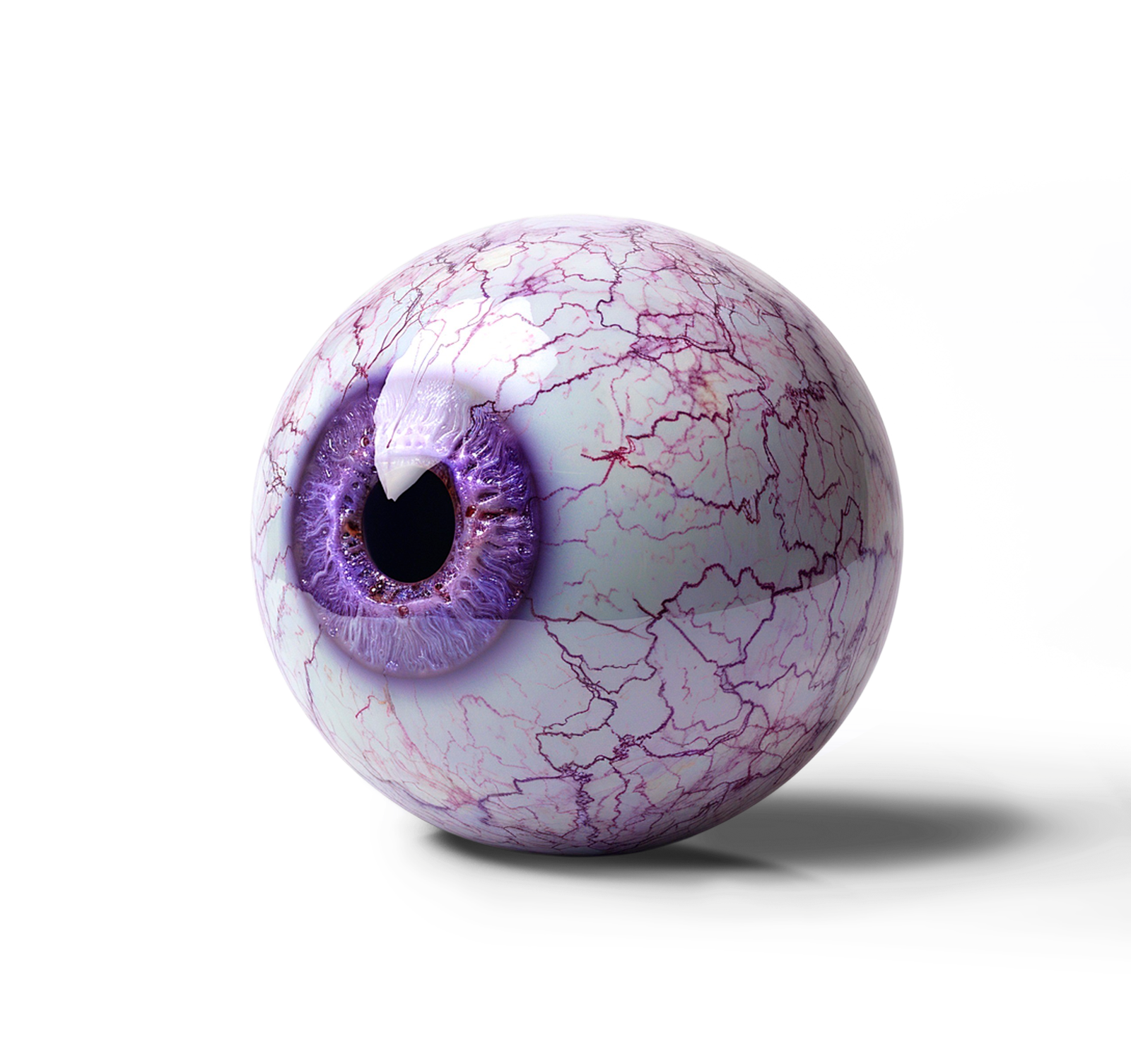
Artificial eyes, also known as ocular prostheses, are custom-made devices designed to replace an absent natural eye lost due to injury, disease, or congenital conditions. While they do not restore vision, artificial eyes play a crucial role in improving the physical appearance and emotional well-being of individuals who have lost an eye.
How Its Works?
An artificial eye works by mimicking the appearance and limited movement of a natural eye, even though it does not restore vision. After the removal of a natural eye, a surgeon typically places a spherical implant deep inside the eye socket. This implant is often connected to the eye muscles, allowing it to move slightly. Over this implant, a custom-made acrylic shell — the artificial eye or prosthesis — is fitted. This shell is shaped and hand-painted to closely resemble the remaining natural eye in color and detail. When the healthy eye moves, the implant also moves slightly, causing the artificial eye to follow with coordinated motion, creating a more lifelike appearance. The prosthesis fills the empty space in the eye socket, supports the eyelids, and protects the sensitive inner tissues from dirt, dryness, and injury. It is lightweight, comfortable to wear, and can be easily removed for cleaning and maintenance. Though it doesn’t provide sight, the artificial eye plays an essential role in restoring facial symmetry and helping individuals regain confidence.
 An artificial eye provides several significant benefits that greatly enhance the quality of life for individuals who have lost an eye. One of the primary advantages is the restoration of facial appearance. The prosthesis is carefully crafted to match the natural eye in color, size, and shape, helping to maintain facial symmetry and giving a natural, lifelike look. This greatly boosts self-confidence and emotional well-being, allowing individuals to feel more comfortable in social and professional settings. Beyond aesthetics, an artificial eye also serves functional purposes. It protects the sensitive tissues inside the eye socket from dust, dryness, and injury, while supporting the proper shape and movement of the eyelids. It helps prevent the eye socket from shrinking over time and maintains the structural integrity of the surrounding facial area. Made from safe, lightweight materials, artificial eyes are comfortable to wear and can be removed easily for cleaning and maintenance. Overall, while it does not restore vision, an artificial eye offers cosmetic, psychological, and protective benefits that are essential for both physical and emotional recovery.